COUPLES THERAPY
Monica Chiorascu MBACP - Integrative Psychotherapist | Psychosexual & Relationship Therapy | Sex & Porn Addiction
What is couples therapy?
Couples therapy is a form of talking therapy in which partners explore their relationship together with an impartial therapist. Its purpose is not to apportion blame or determine who is right, but to develop a shared understanding of the difficulties you are experiencing and consider how you would like to proceed.
My practice is informed by systemic and attachment theory. This involves considering the relationship as a system in its own right, and how each partner’s history, family, culture, and circumstances may influence intimacy, trust, and responses to conflict. Within a confidential and collaborative therapeutic relationship, we can explore these patterns while giving each partner space to be heard.
My work also includes concerns relating to sex and intimacy, and to compulsive sexual behaviour, often described as sex or porn addiction. These can be explored as part of couples therapy where relevant, or alongside dedicated psychosexual therapy.
Who I work with
I work with adult couples and partners, and my practice is gender, sex, and relationship diversity (GSRD) affirming and culturally sensitive. This includes:
✓ Married and unmarried couples, at any stage of a relationship
✓ LGBTQI+ couples
✓ People in non-monogamous relationships or other relationship structures
✓ Intercultural couples, and those from different faith or family backgrounds
✓ Couples navigating life transitions, including parenthood, blended families, and retirement
If your partner isn’t ready to attend. One partner may feel more ready for therapy than the other. We can begin with individual sessions focused on the relationship, and your partner may join later if appropriate and if you both wish.
What couples therapy can help with
This isn’t an exhaustive list, but common areas include:
Connection and communication
Communication — feeling unheard, withdrawing, or avoiding difficult conversations
Conflict — recurring arguments or patterns that remain unresolved
Emotional distance — a loss of closeness, or feeling more like housemates or co-parents
Differences in values — including family, culture, faith, money, or parenting
Life transitions — parenthood, career change, illness, relocation, or retirement
The future of the relationship — deciding whether to stay together or how to separate with care
Sex and intimacy
Differences in desire — including changes in desire over time
Loss of sexual connection — sex that has reduced, stopped, or become a source of tension
Sexual difficulties — including difficulties with erection, arousal, or orgasm, and pain during sex
Differing expectations — around frequency, forms of intimacy, or beliefs about sex
Life stage and health — illness, disability, menopause, pregnancy, parenthood, or ageing
Non-monogamy — agreements, boundaries, jealousy, and communication
Talking about sex — finding ways to discuss sex and intimacy more openly
Trust, betrayal, and compulsive sexual behaviour
Infidelity — the impact of a breach of trust, suspicion, or insecurity
Pornography use or secret sexual behaviour — its discovery and relational impact
Compulsive sexual behaviour — its impact on both the person affected and their partner
Betrayal trauma — the psychological impact on the partner who has been hurt
Disclosure — considering what is shared, how, and at what pace
Rebuilding trust — exploring whether and how trust and intimacy can be restored
If your concern isn’t listed here, you’re still welcome to get in touch. You don’t need to know how to describe it before we speak.
What to expect
Couples sessions are slightly longer than individual sessions to give each partner space to be heard. We begin with a brief initial conversation, followed by an initial session to explore what has brought you to therapy and how we might work together. We then meet regularly and review our work together as we go.
Session length: 60 minutes | Fee: £65 | Format: In person in central Leeds and/or online
Professional standards
I am a qualified counsellor and a registered member of BACP, working within the BACP Ethical Framework for the Counselling Professions. I hold professional indemnity insurance and receive regular clinical supervision.
I am currently training in psychosexual and relationship therapy, working towards registration with COSRT, and in sex addiction therapy. I practise this work under regular clinical supervision.
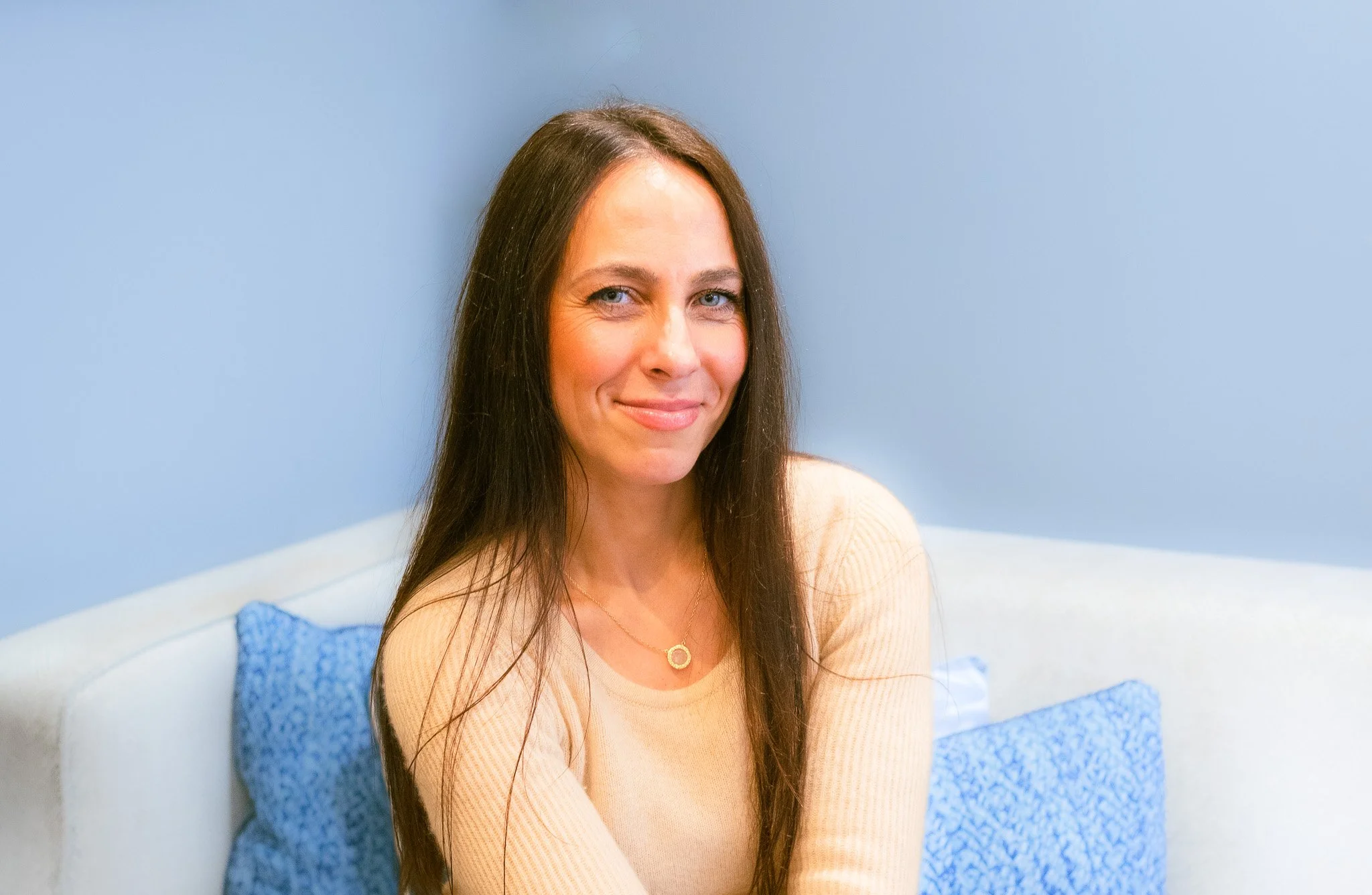
Monica Chiorascu MBACP
Integrative Psychotherapist | Psychosexual & Relationship Therapy | Sex & Porn Addiction
Get in touch with me: