INDIVIDUAL THERAPY
Monica Chiorascu MBACP - Integrative Psychotherapist | Psychosexual & Relationship Therapy | Sex & Porn Addiction
What is individual therapy?
Individual therapy is a form of talking therapy that offers a confidential, non-judgemental space to explore your thoughts, feelings, experiences, and relationships. It is open to adults experiencing a specific difficulty and those seeking greater self-understanding. You do not need to be in crisis, or to know exactly what you wish to address, before beginning.
My practice is integrative, drawing on person-centred, psychodynamic, and attachment theory, alongside cognitive-behavioural approaches where appropriate. This involves considering how early relationships, life experiences, and cultural context may influence your present difficulties. Within a confidential and collaborative therapeutic relationship, we can explore these influences and what you would like to change.
Who I work with
I work with adults (18+), and my practice is gender, sex, and relationship diversity (GSRD) affirming and culturally sensitive. This includes:
✓ People of all genders, sexual orientations, and relationship structures, including LGBTQI+ clients
✓ People navigating cultural identity, migration, or intergenerational experience
✓ Adults at any life stage, from early adulthood to later life
✓ People for whom faith, or an absence of faith, is an important part of their experience
✓ Anyone who feels unsure whether therapy is for them
If any aspect of your identity or experience feels important for me to understand, you are welcome to raise this at any point. If your needs fall outside my competence, I will discuss this with you openly and, where appropriate, help you consider other sources of support.
What individual therapy can help with
This isn’t an exhaustive list, but common areas include:
Emotional wellbeing
Anxiety and stress — persistent worry, panic, or feeling overwhelmed
Depression and low mood — persistent low mood, loss of motivation, or reduced enjoyment
Self-esteem — self-criticism, perfectionism, or low self-worth
Grief and loss — bereavement, or the loss of a relationship, health, or sense of identity
Trauma — the continuing impact of difficult or traumatic experiences
Work and life pressures — burnout, significant decisions, or feeling stuck
Identity and life stage
Identity — exploring your sense of self, including sexuality, gender, or culture
Life transitions — separation, parenthood, career change, retirement, or relocation
Culture and family — migration, belonging, family expectations, or intergenerational experience
Sex, intimacy, and desire
Desire — low desire, loss of interest, or changes in desire over time
Sexual difficulties — difficulties with erection, arousal, orgasm, or ejaculation
Pain during sex — including the psychological impact of vaginismus and vulvodynia
Sexual anxiety — performance anxiety, fear of intimacy, or avoidance of sex
Shame and body image — inhibition, internalised beliefs about sex, or a difficult relationship with your body
Life stage and health — illness, disability, medication, menopause, pregnancy, or ageing
Sexual trauma — its continuing impact on intimacy and closeness
Sexual interests — understanding kink, fantasy, or other aspects of sexual expression
Compulsive sexual behaviour
Pornography use — secrecy, escalation, or difficulty reducing or stopping
Compulsive sexual behaviour — patterns that continue despite their negative consequences
Infidelity and secrecy — including associated feelings of shame and isolation
Relational impact — betrayal, disclosure, and the process of rebuilding trust
Urges and triggers — managing these while exploring what may be driving them
A note on language: this area is often described as sex or porn addiction. ICD-11 classifies Compulsive Sexual Behaviour Disorder (CSBD) as an impulse-control disorder.
I approach these concerns with curiosity and without judgement. If your concern isn’t listed here, you’re still welcome to get in touch. You don’t need to know how to describe it before we speak.
What to expect
We begin with a brief initial conversation, followed by an initial session to explore what has brought you to therapy and how we might work together. Sessions then continue at an agreed frequency, and we review our work together regularly rather than following a fixed timeline.
Session length: 50 minutes | Fee: £65 | Format: In person in central Leeds and/or online
Professional standards
I am a qualified counsellor and a registered member of BACP, working within the BACP Ethical Framework for the Counselling Professions. I hold professional indemnity insurance and receive regular clinical supervision.
I am currently training in psychosexual and relationship therapy, working towards registration with COSRT, and in sex addiction therapy. I practise this work under regular clinical supervision.
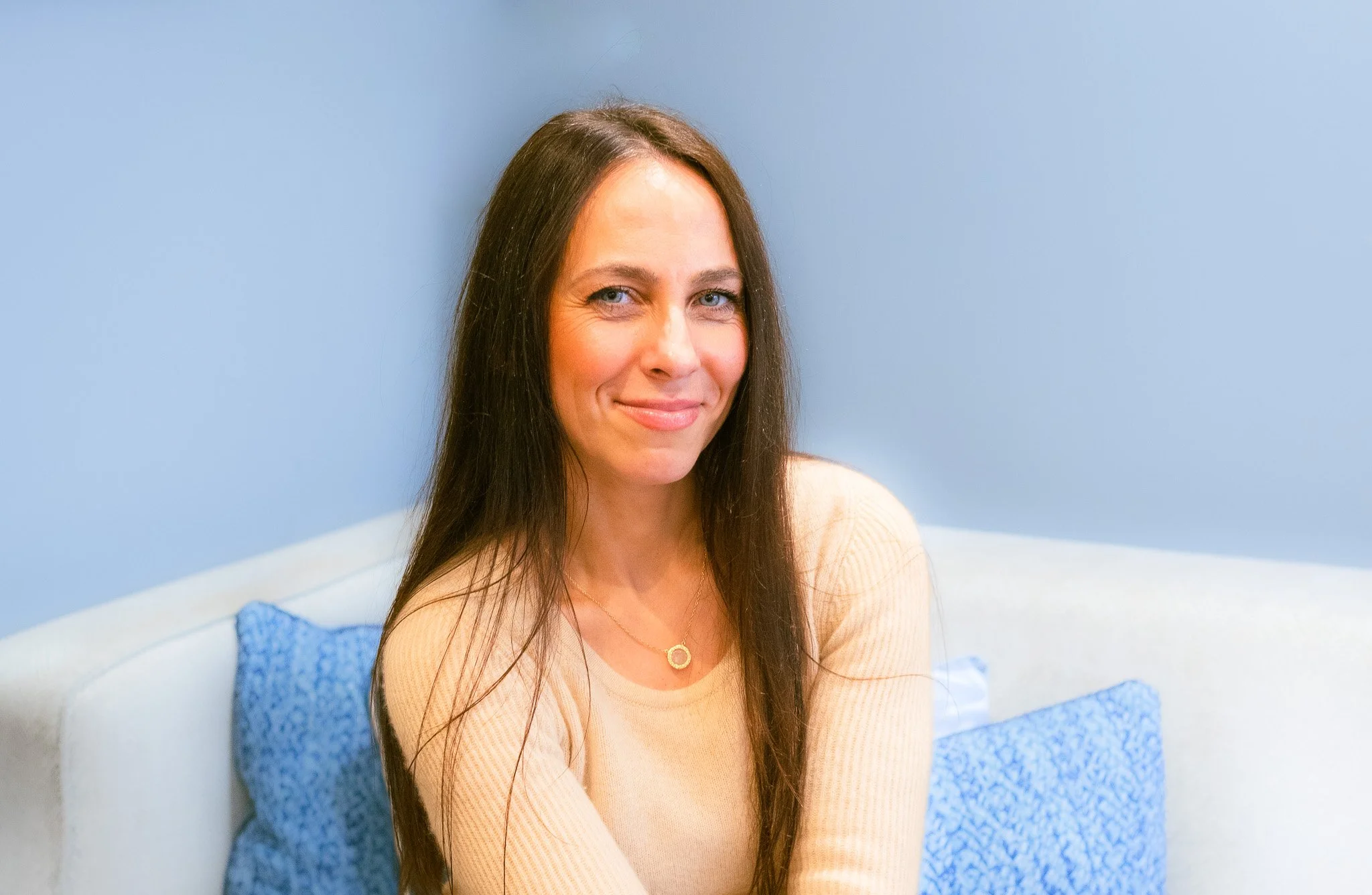
Monica Chiorascu MBACP
Integrative Psychotherapist | Psychosexual & Relationship Therapy | Sex & Porn Addiction
Get in touch with me: